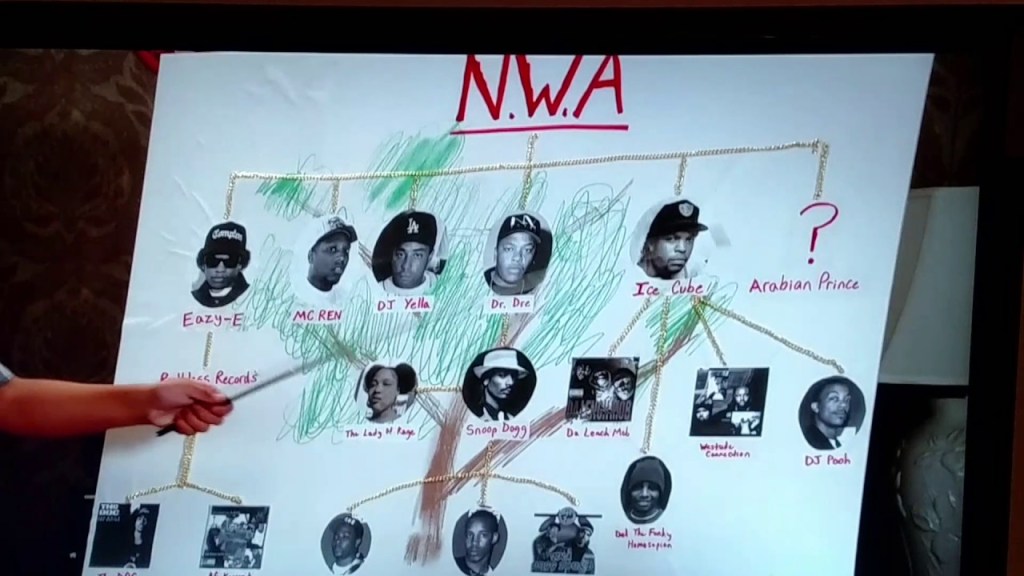
There are a number of practices that share DNA with my approach to working in the open – but are not the same thing despite similarities in a certain light and from some angles…basically second cousins of what I preach.
Here are the ones I think share the most common ancestry;
Memoir – not a great moment for the memoir at the moment with the scandal around The Salt Path (which itself is just the latest controversy for the genre) but the act of telling your own story from your own perspective has a long history and obviously has commonalities with some of the storytelling aspects of working in the open….but not surprisingly the self-reflective leans more towards the personal than the professional. Though I’m currently reading an amazing comic/memoir hybrid called ‘10,000 Ink Stains’ by Jeff Lemire which definitely blurs those lines.
Morning Pages – this is a reflective practice that almost tips towards meditation. It consists of writing three pages of handwritten thoughts first thing every morning – stream of consciousness style. It can be about anything from the meaningful to the mundane but it must be the first thing you do and you must complete the three pages. Where they diverge (widely) from working in the open is that Morning Pages are private – for your eyes only – to the extent that some people destroy them after writing.
Journalling – or keeping a diary is probably the thing that most people would identify as the roots of blogging in particular. Again it is a primarily private pursuit (though many a famous diarist has become public) but the habit of capturing your life and feelings in real time (ish) has long been seen as therapeutic, as something that can counter anxiety and calm the voices in your head…very similar reasons for my embrace of working in the open – just without the wider professional benefits (and risks). I think it has tended to be associated as some kind of teenage affectation but it definitely has the power to help whatever your age.
Behind the Scenes (BTS) / Directors commentary – the golden age of DVD extras might have passed but the desire for people to peek behind the curtains and understand how things are made – from movies to music to motorbikes – has not dulled. Some of the entries in this category are polished to the point of propaganda but Youtube is littered with honest, authentic looks behind the scenes for all manner of fields and they all attract fans. Even ‘reality’ TV shows like the upcoming WWE:UnReal are predicated on the idea of showing people how the sausage is made after generations of closely guarding elements of that.
Documentation (scientific rather than software) – one of the things I talk about a lot is this idea of ‘show your working’ which was something that got drilled into is in ye olden times around maths particularly and I think is an important element of working in the open – often the most useful thing for people is learning about the journey not the destination…but where I think the most obvious parallels with working in the open exist is with science (where the open science agenda is a movement in of itself). Documenting experiments down to the last detail to ensure transparency and reproducibility are core tenets in good scientific practice – and capturing decisions and trade-offs with similar discipline is important for working in the open to succeed.
The key thing these all share is a commitment to authenticity and transparency if they are to be useful (well maybe not the BTS stuff!). Like I said in my CampDigital talk – working in the open is not about creating the perfect Insta grid and it is not about propaganda.
Authenticity is currency.
 Digital by Default
One response to “[Make things open] Open Ancestors”
Nice round up.
Show your workings was also super important in my art college days, where you’d be expected to have sketchbooks showing the development of your ideas. Often the most interesting bits of degree shows.
And good fun to spot the ones where people had one idea, did it and then faked the workings out afterwards. Happened more often than you might expect.